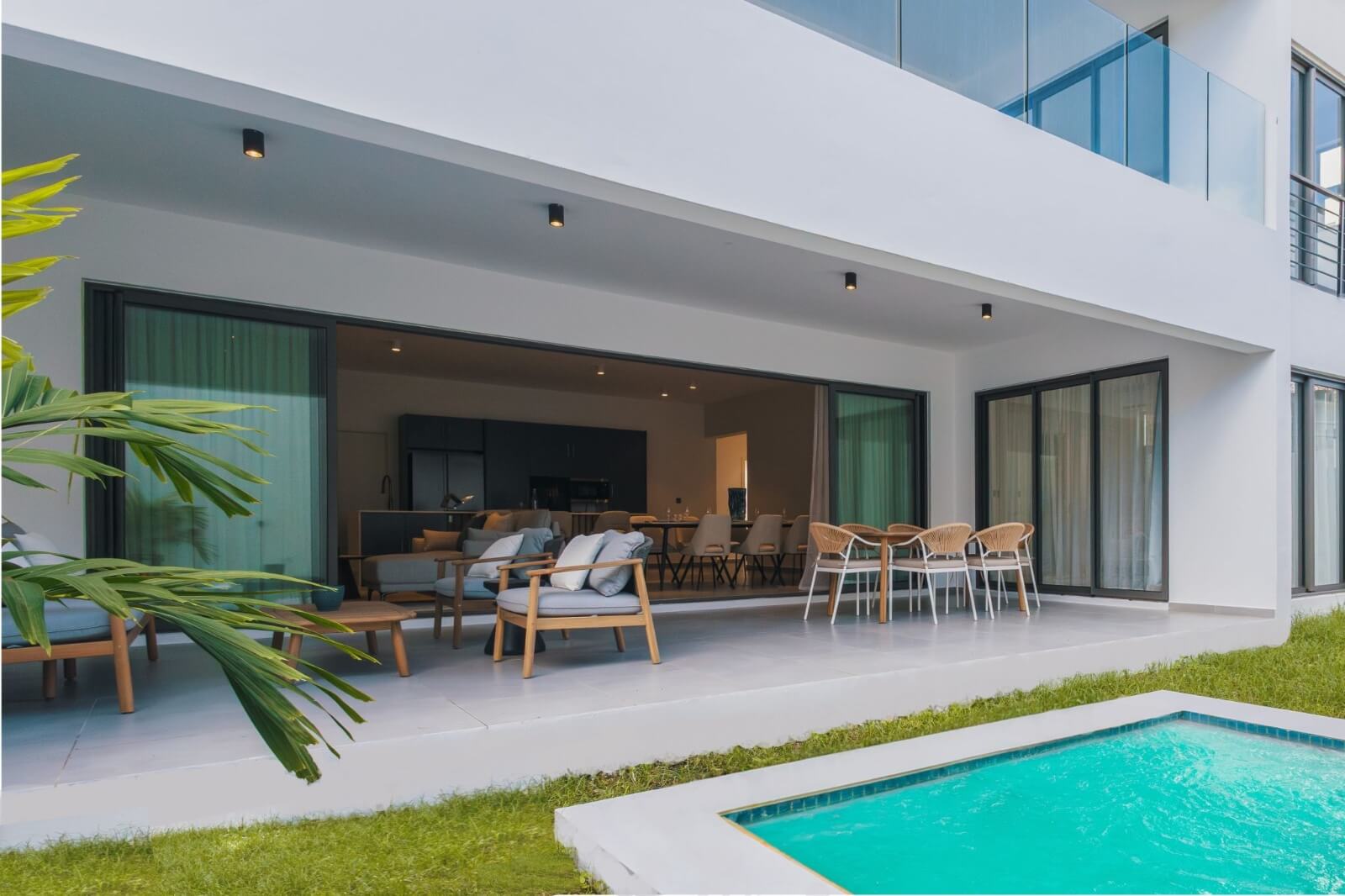
Secure Mauritius Residency Through Property Investment
Introduction to Mauritius Residency by Property Investment
Mauritius has emerged as one of the world's most attractive destinations for securing residency through property investment, offering investors a gateway to both African markets and a high-quality lifestyle in the Indian Ocean. The island nation's strategic position as a financial hub, combined with its political stability and favourable tax regime, makes Mauritius residency by investment an increasingly popular choice for global citizens seeking greater mobility and business opportunities.
Unlike many other residency programmes that require substantial passive investments, Mauritius allows investors to secure residency through tangible real estate assets that can appreciate over time. The country offers several distinct property investment schemes, each designed to attract different types of investors—from those seeking a luxury holiday home to serious business investors looking to establish a regional base.
What sets Mauritius apart is its relatively accessible investment thresholds compared to European programmes, coupled with the practical benefits of English and French as official languages. The island's robust legal framework, based on both English common law and French civil law, provides investors with confidence in property rights and contract enforcement.
The residency benefits extend beyond mere visa-free travel, encompassing potential tax advantages and access to Mauritius's extensive network of double taxation treaties. However, navigating the various schemes requires careful consideration of eligibility criteria, investment amounts, and long-term commitments.
Understanding the specific property investment pathways available becomes crucial for making an informed decision about your residency strategy.
Key Property Investment Schemes in Mauritius
Mauritius operates several distinct property investment schemes, each designed to attract different types of investors while providing pathways to secure a Mauritius residence permit. Understanding these programmes is crucial before committing to any investment, as eligibility requirements, investment thresholds, and residency benefits vary significantly between schemes.
The Property Development Scheme (PDS) stands as the most accessible option, allowing foreign nationals to purchase residential properties in designated developments with minimum investments typically starting around USD 375,000. This scheme provides immediate occupancy rights and forms the foundation for most residency applications.
For higher-net-worth individuals, the Integrated Resort Scheme (IRS) offers luxury villa investments in resort-style developments, with investment thresholds generally beginning at USD 500,000. These properties often include access to golf courses, spas, and other premium amenities.
The Real Estate Scheme (RES) caters to investors seeking apartments or mixed-use developments, typically with lower entry points than IRS properties. Meanwhile, the Smart City Scheme focuses on modern, sustainable developments that combine residential, commercial, and office spaces.
Each scheme comes with specific legal frameworks, ownership structures, and residency pathways. The choice between programmes often depends on your investment budget, lifestyle preferences, and long-term residency goals, making thorough research essential before proceeding with any application.
Step 1: Understanding Investment Requirements
Before exploring property investment Mauritius opportunities, investors must understand the specific financial thresholds and requirements that govern each scheme. The investment requirements vary significantly depending on which programme you choose and your intended residency goals.
Minimum Investment Thresholds
The Property Development Scheme (PDS) requires a minimum investment of USD $375,000 for a villa or apartment, whilst the Invest Hotel Scheme (IHS) demands USD $500,000 for hotel units or developments. For those considering the Real Estate Scheme (RES), investments typically start at USD $350,000, though this programme has specific restrictions on eligible properties.
Additional Financial Requirements
Beyond the base property investment, applicants must demonstrate additional financial capacity. Most schemes require proof of liquid assets ranging from USD $50,000 to USD $100,000 held in separate accounts, ensuring investors can support themselves without relying solely on their property investment.
Banking and Transfer Requirements
All investment funds must be transferred through approved banking channels, typically requiring source of funds documentation and compliance with Mauritius's anti-money laundering regulations. The investment process involves multiple verification stages that confirm both the legitimacy of funds and the investor's financial standing.
Understanding these requirements is essential before beginning the application process.
Step 2: The Application Process
Once you've identified your preferred investment route and secured financing, the application process for Mauritius residency follows a structured pathway. The Economic Development Board of Mauritius serves as the primary gateway for most property investment applications, though specific schemes may involve additional regulatory bodies.
The initial application requires comprehensive documentation including proof of funds, clean criminal record certificates, medical certificates, and detailed property purchase agreements. Professional legal representation becomes essential at this stage, as the documentation requirements vary significantly between different investment schemes and your country of origin.
Processing times typically range from three to six months for complete applications, though this can extend if additional documentation is requested. The Mauritius golden visa programme operates on a points-based assessment system that evaluates both your investment commitment and personal circumstances.
A critical consideration during this phase is maintaining your property investment throughout the application period. Any changes to your property ownership or investment status can significantly impact your application's progress. What typically happens is that investors receive conditional approval first, followed by final residency permits once all verification processes are complete.
This structured approach leads naturally to examining real-world success stories that demonstrate these processes in action.
Case Study: Successful Residency by Investment
Consider the trajectory of James Mitchell, a British entrepreneur who secured Mauritius residency through real estate investment Mauritius in 2023. Mitchell initially explored the Property Development Scheme (PDS) route, identifying a luxury villa project in Black River that met the minimum USD 375,000 threshold.
His journey began with comprehensive due diligence, engaging local legal counsel to verify property titles and development permits. Mitchell's solicitor recommended structuring the purchase through a Mauritian company to optimise tax efficiency—a common approach that provides additional asset protection benefits.
The timeline proved straightforward: property reservation in January, legal documentation completed by March, and residency permit approved by June. Mitchell's case demonstrates how proper preparation accelerates the process significantly.
What made Mitchell's application particularly successful was his strategic approach to documentation. Rather than rushing the initial submission, he invested time ensuring all financial records, including bank statements and investment source documentation, were meticulously prepared and certified.
The outcome exceeded expectations. Beyond securing residency, Mitchell's property appreciated 12% within eighteen months, whilst his new tax status reduced his overall liability substantially. His experience illustrates how strategic property selection and thorough preparation create a foundation for long-term success in Mauritius residency by investment programmes.
This success story transitions naturally into examining the broader advantages that await approved applicants.
Benefits of Mauritius Residency by Investment
Securing residency through property investment unlocks a comprehensive package of advantages that extend well beyond simple immigration status. The strategic tax benefits represent perhaps the most compelling draw for international investors seeking to optimise their global tax position.
Tax Optimisation Advantages
Mauritius operates a territorial tax system, meaning residents only pay tax on income generated within the country. This structure proves particularly advantageous for individuals with diverse international income streams, as offshore earnings remain untaxed. The standard personal income tax rate caps at 15%, significantly lower than most Western jurisdictions.
The PDS Mauritius programme specifically attracts investors seeking both residency and tax efficiency, as property owners can benefit from capital gains tax exemptions on their qualifying investments.
Enhanced Global Mobility
Mauritius passport holders enjoy visa-free access to over 140 destinations, including the UK, Schengen Area, and Singapore. This mobility advantage proves invaluable for business professionals and frequent travellers seeking to maintain international connections whilst establishing a new base.
Quality of Life Benefits
The island's political stability, combined with excellent healthcare infrastructure and English-speaking environment, creates an attractive living proposition. The tropical climate, stunning natural beauty, and multicultural society provide lifestyle benefits that complement the financial advantages of residency.
However, prospective investors should carefully evaluate potential limitations alongside these compelling benefits.
Limitations and Considerations
Whilst Mauritius residency by investment offers compelling advantages, prospective investors must carefully evaluate several important limitations and obligations that accompany this pathway.
Tax compliance requirements represent perhaps the most significant ongoing consideration. New residents must navigate complex international tax obligations, including potential reporting requirements to both IRS Mauritius and their home country's tax authorities. Double taxation treaties provide relief in many cases, but professional tax planning remains essential to avoid costly compliance errors.
Property market risks mirror those found in emerging markets globally. Currency fluctuations can affect property values for foreign investors, whilst market liquidity may prove challenging during economic downturns. Relocating to Mauritius involves understanding these market dynamics before committing substantial capital.
Residency maintenance obligations create ongoing commitments that some investors underestimate. Whilst physical presence requirements are relatively modest, maintaining qualifying property ownership and demonstrating continued investment ties to Mauritius becomes a long-term responsibility.
Professional service costs accumulate throughout the application process and beyond. Legal fees, tax advisory services, and ongoing compliance support represent substantial recurring expenses that can significantly impact the overall investment return.
These considerations don't diminish the programme's value but highlight the importance of thorough due diligence and professional guidance throughout the process.
Common Questions About Mauritius Residency by Investment
How long does the application process take? The timeline for securing RES Mauritius status typically spans 3-6 months from initial application submission. However, this can vary significantly based on documentation completeness and property purchase complexity. Henley & Partners notes that thorough preparation of supporting documents can expedite the process considerably.
Can family members be included? Yes, the scheme extends to spouses and dependent children under 24 years of age. Each additional family member requires supplementary documentation and may involve additional processing fees, but they receive the same residency rights as the primary applicant.
What happens if I sell my property? Disposing of the qualifying investment property typically results in loss of residency status. However, investors can maintain their status by purchasing another qualifying property within a specified timeframe, usually 12 months.
Are there language requirements? Mauritius imposes no language proficiency tests for residency applicants. English and French serve as official languages, with Mauritian Creole widely spoken, creating a multilingual environment that accommodates international residents.
Can residency lead to citizenship? After maintaining continuous residency for five years, individuals may apply for Mauritian citizenship, subject to additional requirements including language proficiency and integration assessments.
Key Takeaways
Mauritius residency by property investment represents a compelling pathway for international investors seeking tax efficiency, lifestyle benefits, and strategic positioning within the African continent. The Smart City Scheme Mauritiusand Property Development Scheme (PDS) provide structured routes to residence status, each with distinct investment thresholds and property requirements.
Essential considerations for prospective investors include:
- Minimum investment requirements ranging from $375,000 to $500,000
- Mandatory residence obligations of 90 days annually to maintain status
- Access to Mauritius's extensive double taxation treaty network
- Potential for capital appreciation in a stable property market
- Professional fees and ongoing compliance costs
The application process typically requires 3-6 months with proper preparation and documentation. Success hinges on selecting the right property type, understanding tax implications in your home jurisdiction, and maintaining compliance with residence requirements.
For investors seeking diversification beyond traditional residency programmes, Mauritius offers a unique combination of political stability, business-friendly environment, and strategic location. The key to success lies in thorough due diligence, professional guidance, and clear understanding of your long-term objectives before committing to this significant investment decision.